Green Turcite B replacement slideway sheet for CNC guideway repair and linear bearing applications.
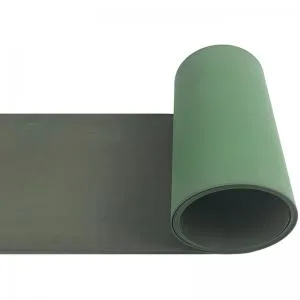 FIG. / PRODUCT VISUAL / 5 VIEWS
Product images are shown for technical review; final compatibility is confirmed before quotation.
TBK-TUR-002
TEBAK Green color Turcite b PTFE Lathe CNC Machine Wearresisting Guide Blue Green Sheet PTFE Guide Soft Belt Sheet with Glue ab
Green Turcite B replacement slideway sheet for CNC guideway repair and linear bearing applications. Green color Turcite b PTFE Lathe CNC Machine Wearresisting Guide Blue Green Sheet PTFE Guide Soft Belt Sheet with Glue ab is a slideway and low-friction guide materials item in the Turcite B range, identified for CNC machine guideways. It provides a replaceable low-friction bearing layer for guideway repair after correct bonding, curing and finishing. Common applications include guideway refurbishment and machine-tool slideway repair. Key specifications: Listed colour: Green; Width: 100 / 200 / 300 / 305 mm; Thickness: 0.8–3.2 mm listed sizes; OEM size: Acceptable. Values not listed here, such as tolerance, material grade, load rating or accuracy class, remain unconfirmed until they are checked against a drawing or the machine documentation. Before ordering, confirm material grade, thickness, width, bonding surface, adhesive system, machining allowance and finished clearance.
- Width100 / 200 / 300 / 305 mm
- Thickness0.8–3.2 mm listed sizes
- Listed colourGreen
| Listed colour | Green |
|---|---|
| Width | 100 / 200 / 300 / 305 mm |
| Thickness | 0.8–3.2 mm listed sizes |
| OEM size | Acceptable |
APPLICATION CHECKCNC machine guidewaysConfirm machine model, interface and drawing before order.
Request this part Ask about an alternativePRODUCT DETAILTECHNICAL INFORMATION
TECHNICAL DETAIL
Green color Turcite b PTFE Lathe CNC Machine Wearresisting Guide Blue Green Sheet PTFE Guide Soft Belt Sheet with Glue ab is supplied as a slideway and low-friction guide materials item in the Turcite B range and is identified for CNC machine guideways. This section expands the available technical information. It supports technical review and part selection; it does not replace a drawing, a machine manual or an application check by a qualified engineer. The product title and the captured attributes remain the primary identification signals, and no performance figure, certification or tolerance class is stated here unless it is present in the captured record.
Product overview. The role of this component is to provide a replaceable low-friction bearing layer for machine-tool guideway repair and controlled sliding contact after suitable preparation and finishing. In service it works as one part of a larger machine system, so correct performance depends on the relationship between the part, the mating component, the available installation space and the process conditions. Typical applications include guideway refurbishment, machine-tool maintenance, replacement of worn slideway surfaces and repair work where a bonded bearing layer is specified. Where the component is used on a moving axis or in a fixture, confirm that the full working envelope is unobstructed and that adjacent parts, guards, cables and tools cannot interfere through the complete travel or clamping range.
Captured parameters and specifications. The record contains the following fields: Listed colour: Green; Width: 100 / 200 / 300 / 305 mm; Thickness: 0.8–3.2 mm listed sizes; OEM size: Acceptable. The captured material field is PTFE-based slideway bearing material. These values are the specifications currently visible in the captured product data. Where a field is absent, the absence is an open technical item rather than permission to assume a standard value. Confirm the exact model, revision, critical dimensions, tolerance, surface condition, quantity of matched parts and any required accessories before approval.
Model variants in this family. Sheet and strip products in this family differ by material grade and colour coding, nominal thickness, width, sheet or roll length, the treatment applied to the bonding face and whether they are supplied with adhesive. Thickness selection is normally tied to the machining allowance the repair plan assumes.
Selection and compatibility review. The most important checks for this item are material grade, thickness, width, bonding surface, adhesive system, machining allowance and finished clearance. Compare each point with the existing assembly rather than against a similar-looking image, and confirm whether the listed model is a complete assembly, a single replacement component, a set, or an accessory. Where the application involves coolant, chips, dust, vibration, heat or frequent changeovers, include that information in the technical request because it can change the suitable configuration.
Receiving inspection. Confirm the grade marking, colour, nominal thickness and width against the order. Check that the sheet is flat, that the bonding side is identifiable and free from contamination, and that no creases, blisters or foreign material are present. Measure thickness at several points with the method the repair plan specifies. Keep the protective packaging in place until the part is ready to be installed and record any transit damage before signing for the delivery.
Installation and service considerations. Clean and inspect mating surfaces before installation. Remove damaged fasteners, burrs and contamination that could alter alignment, and follow the machine maker sequence for tightening, adjustment, lubrication and run-in. After installation, check smooth movement, reference position, clamping or cutting stability, abnormal noise, backlash and contact marks. For an electrical or sensing item, isolate power and verify the connector and signal before energizing. These steps are general service guidance; the machine manual and a qualified technician remain the authority for the final procedure.
Fault diagnosis. If a bonded lining separates, lifts at the edges or wears unevenly, the usual causes are insufficient surface preparation, an unsuitable adhesive system, trapped air, incorrect clamping pressure during cure, oil contamination or a finished clearance that is too tight. If movement becomes stiff after repair, re-check preload, straightness, lubrication and the finished thickness. Record the observed symptom together with any error code, noise, temperature reading or dimensional drift before removing the part, because that information shows which characteristic of the component actually matters in this installation.
Maintenance and wear monitoring. Protect the finished surface from chips and abrasive contamination, maintain the specified lubrication, and keep the oil passages and grooves clear. Monitor the guideway for changes in clearance, contact pattern, surface colour and operating temperature. Replacement should follow the original installation, alignment and adjustment sequence rather than being treated as a simple part swap.
Documentation and traceability. Keep the product ID, machine model, installation position, installation date, measured critical dimensions and any drawing revision together with this part record. Where the item is matched to a specific axis, station or fixture, record that reference as well, because a later replacement ordered from a photograph alone can be mistaken for a similar variant. If the part is replaced as part of a repair, note the reason for replacement and any adjustment made during fitting so a repeat problem can be distinguished from normal wear.
What to confirm in an inquiry. Include the product ID TBK-TUR-002, the required quantity, machine brand and model, interface or mounting information, a drawing or clear photographs, the workpiece or application material, the operating environment and the dimensions that matter most. Ask for a current technical drawing, available variants, confirmed material, complete contents, inspection information and compatibility notes before treating the item as a final match.
SPECIFICATION INPUT
Exact fit starts with the machine.
Specifications are listed with the part. Confirm machine model, interface, material and drawing before quotation.
INPUT / 2D + 3D DRAWINGCHECK / INTERFACE + MATERIALOUTPUT / QUOTATION ROUTE