A cubic boron nitride wheel is the right abrasive for high-speed steel: it stays sharp far longer than aluminium oxide and does not load up on HSS. It is not the wheel for carbide drills, which need a diamond wheel instead.
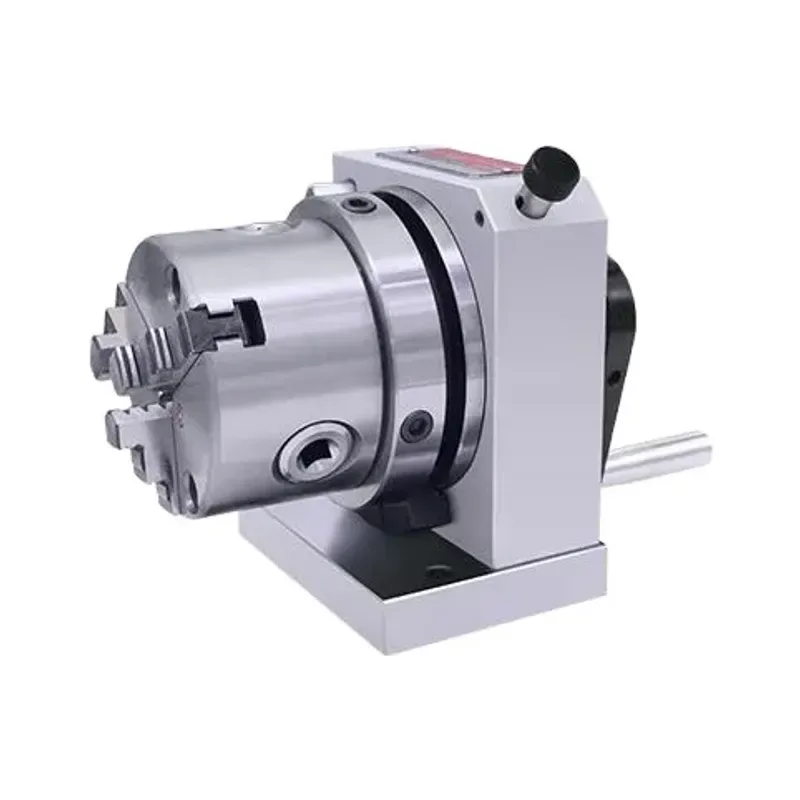 FIG. / PRODUCT VISUAL / 5 VIEWS
Product images are shown for technical review; final compatibility is confirmed before quotation.
TBK-CTG-1601648132507
DRM-50 drill re-sharpening machine
A bench-top drill re-sharpening machine recorded as model DRM-50, running a D50CBN wheel at 5,000 rpm from a 110–240 V supply. It regrinds high-speed steel drills in the 13–50 mm range named in the listing.
- Model numberDRM-50
- Grinding wheelD50CBN
- Wheel speed5,000 rpm
- Drill range listed13–50 mm
- Voltage110–240 V
| Model number | DRM-50 |
|---|---|
| Machine type | Bench grinder |
| Grinding wheel | D50CBN |
| Wheel speed | 5,000 rpm |
| Drill range listed | 13–50 mm |
| Voltage | 110–240 V |
| Power source | Electric |
| Colour | Silver and black |
| Machinery test report | Provided |
APPLICATION CHECKCNC tool preparation and workshop grindingConfirm machine model, interface and drawing before order.
Request this part Ask about an alternativePRODUCT DETAILTECHNICAL INFORMATION
HOW TO READ THE NUMBERSD50CBN 5,000 rpm 13–50 mm
That is a high wheel speed for a bench machine, which is what allows a fine CBN grit to cut rather than rub. It also means the wheel guard and the operator's position matter more than on a slow grinder.
This is a large-drill machine. Below 13 mm the point geometry is hard to hold by hand on a 50 mm wheel, so small drills are better served by a dedicated small-diameter grinder.
WHERE IT DOES NOT FIT
It is a bench machine for high-speed steel drills in the 13–50 mm band. Carbide needs a diamond wheel and a rigid machine, and the record gives no dust extraction, so it is not presented for continuous dry grinding of coated or exotic drills in a production cell.
WHAT THIS RECORD ANSWERS
Will it sharpen a 6 mm drill?
The listed range starts at 13 mm. Below that the record offers no support, and holding a small drill against a 50 mm wheel by hand is a skill problem rather than a machine problem.
Can it run on 220 V single phase?
The recorded voltage range is 110–240 V, so it covers both common single-phase supplies. The plug type is not recorded and has to be confirmed.
Does it come with a dust collector?
No. The dust management field in the record reads "other", and no extraction unit is listed.
SPECIFICATION INPUT
Exact fit starts with the machine.
Specifications are listed with the part. Confirm machine model, interface, material and drawing before quotation.
INPUT / 2D + 3D DRAWINGCHECK / INTERFACE + MATERIALOUTPUT / QUOTATION ROUTE