Captured product detail: 3D Printer Aluminum Plastic Linear Bearings Precision Machine Tools RJMP Series Motor Model 288. Precision linear guide and motion component for CNC machine tools and automation equipment.
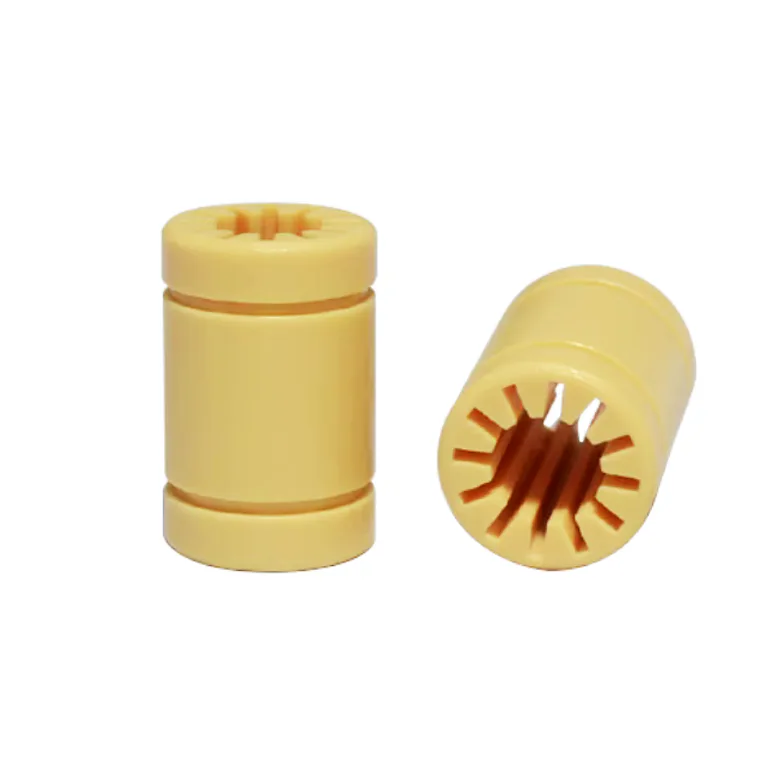 FIG. / PRODUCT VISUAL / 5 VIEWS
Captured source images are retained for technical review; final compatibility is confirmed before quotation.
TBK-PP-IS-1601277504031
TEBAK 3D Printer Aluminum Plastic Linear Bearings Precision Machine Tools RJMP Series Motor Model 288
3D Printer Aluminum Plastic Linear Bearings Precision Machine Tools RJMP Series Motor Model 288. Precision linear guide and motion component for CNC machine tools and automation equipment. 3D Printer Aluminum Plastic Linear Bearings Precision Machine Tools RJMP Series Motor Model 288 is a linear motion and guide components item in the Precision Parts range, identified for Precision motion, linear transmission and CNC positioning applications. It guides linear travel and keeps a moving carriage, slide or table aligned with its fixed reference. Common applications include CNC positioning axes, fixtures, spark machines and automation modules. Key specifications: core components: Pressure Vessel, Gear, Motor, Gearbox, Engine, PLC, Bearing, Pump; machinery test report: Provided; model number: 288a; material: Aluminum plastic; weight (kg): 1; Product name: 3D printer bearings, engineering plastic linear bearings; Type: linear bearings; Model: RJMP6 8 10 12 16 20 25; Material of rolling.
core componentsPressure Vessel, Gear, Motor, Gearbox, Engine, PLC, Bearing, Pump
machinery test reportProvided
model number288a
materialAluminum plastic
weight (kg)1
Product name3D printer bearings, engineering plastic linear bearings
Typelinear bearings
ModelRJMP6 8 10 12 16 20 25
Material of rolling bearing seatPlastic
APPLICATION CHECKPrecision motion, linear transmission and CNC positioning applicationsConfirm machine model, interface and drawing before order.
Request this part Ask about an alternativePRODUCT DETAILTECHNICAL INFORMATION
CAPTURED PRODUCT DETAIL
3D Printer Aluminum Plastic Linear Bearings Precision Machine Tools RJMP Series Motor Model 288 is supplied as a linear motion and guide components item in the Precision Parts range and is identified for Precision motion, linear transmission and CNC positioning applications. This section expands the available technical information. It supports technical review and part selection; it does not replace a drawing, a machine manual or an application check by a qualified engineer. The product title and the captured attributes remain the primary identification signals, and no performance figure, certification or tolerance class is stated here unless it is present in the captured record.
Product overview. The role of this component is to support controlled linear travel, guide a moving table or carriage, and maintain a repeatable relationship between the moving and fixed members of a machine assembly. In service it works as one part of a larger machine system, so correct performance depends on the relationship between the part, the mating component, the available installation space and the process conditions. Typical applications include CNC positioning axes, inspection fixtures, automation modules, spark-machine mechanisms, adjustment tables and replacement work on linear motion assemblies. Where the component is used on a moving axis or in a fixture, confirm that the full working envelope is unobstructed and that adjacent parts, guards, cables and tools cannot interfere through the complete travel or clamping range.
Captured parameters and specifications. The record contains the following fields: core components: Pressure Vessel, Gear, Motor, Gearbox, Engine, PLC, Bearing, Pump; machinery test report: Provided; model number: 288a; material: Aluminum plastic; weight (kg): 1; Product name: 3D printer bearings, engineering plastic linear bearings; Type: linear bearings; Model: RJMP6 8 10 12 16 20 25; Material of rolling bearing seat: Plastic. The captured material field is Aluminum plastic. These values are the specifications currently visible in the captured product data. Where a field is absent, the absence is an open technical item rather than permission to assume a standard value. Confirm the exact model, revision, critical dimensions, tolerance, surface condition, quantity of matched parts and any required accessories before approval.
Model variants in this family. Models in this family are normally separated by travel or stroke length, carriage or slide dimensions, bearing row arrangement, accuracy grade, preload class, screw pitch, mounting-hole spacing and drive configuration. Two items can look identical in a photograph and still differ in one of those values, so the model code and the measured dimensions should both be confirmed before an order is placed.
Selection and compatibility review. The most important checks for this item are stroke or length, carriage or slide size, mounting-hole pattern, preload, accuracy grade and drive interface. Compare each point with the existing assembly rather than against a similar-looking image, and confirm whether the listed model is a complete assembly, a single replacement component, a set, or an accessory. Where the application involves coolant, chips, dust, vibration, heat or frequent changeovers, include that information in the technical request because it can change the suitable configuration.
Receiving inspection. Check the package for transit damage before unpacking. Confirm that rail, carriage, screw, slider or table surfaces are free from dents, rust, scoring and embedded debris. Move the carriage or slider slowly by hand and feel for smooth travel, tight spots or unusual noise. Verify the model marking against the order and count the mounting holes. Keep the protective packaging in place until the part is ready to be installed and record any transit damage before signing for the delivery.
Installation and service considerations. Clean and inspect mating surfaces before installation. Remove damaged fasteners, burrs and contamination that could alter alignment, and follow the machine maker sequence for tightening, adjustment, lubrication and run-in. After installation, check smooth movement, reference position, clamping or cutting stability, abnormal noise, backlash and contact marks. For an electrical or sensing item, isolate power and verify the connector and signal before energizing. These steps are general service guidance; the machine manual and a qualified technician remain the authority for the final procedure.
Fault diagnosis. If the axis feels rough after installation, the usual causes are a bent or twisted mounting surface, unequal fastener tightening, dirt on the raceway, a wrong preload class or a rail that is not parallel to its reference edge. If position repeats poorly, check the coupling, screw end fixity, backlash and thermal growth before assuming the guide itself is defective. Record the observed symptom together with any error code, noise, temperature reading or dimensional drift before removing the part, because that information shows which characteristic of the component actually matters in this installation.
Maintenance and wear monitoring. Keep the raceway clean and lubricated. Wipe exposed surfaces before inspection, and remove chips rather than pushing them along the rail. Watch for a change in backlash, an increase in drive current, uneven contact marks or a repeating positional error, because those signals usually appear before a visible failure. Replacement should follow the original installation, alignment and adjustment sequence rather than being treated as a simple part swap.
Documentation and traceability. Keep the product ID, machine model, installation position, installation date, measured critical dimensions and any drawing revision together with this part record. Where the item is matched to a specific axis, station or fixture, record that reference as well, because a later replacement ordered from a photograph alone can be mistaken for a similar variant. If the part is replaced as part of a repair, note the reason for replacement and any adjustment made during fitting so a repeat problem can be distinguished from normal wear.
What to confirm in an inquiry. Include the product ID TBK-PP-IS-1601277504031, the required quantity, machine brand and model, interface or mounting information, a drawing or clear photographs, the workpiece or application material, the operating environment and the dimensions that matter most. Ask for a current technical drawing, available variants, confirmed material, complete contents, inspection information and compatibility notes before treating the item as a final match.
SPECIFICATION INPUT
Exact fit starts with the machine.
Captured specifications are shown from the source listing. Confirm machine model, interface, material and drawing before quotation.
INPUT / 2D + 3D DRAWINGCHECK / INTERFACE + MATERIALOUTPUT / QUOTATION ROUTE